Discover what is cryptocurrency in 2026, how it actually works, and why it’s changing finance. Learn the risks and rewards in this simple guide for beginners.
When I first dipped my toes into the crypto waters back in 2021, I felt completely lost in a sea of jargon. My first real mistake? Buying a high-risk “meme coin” without even knowing how to secure a digital wallet. Looking back, I wish I had a guide that spoke plain English. If you’re asking yourself what is cryptocurrency in 2026 and how it actually impacts your wallet, you’re in the right place. I’ve built this guide to be the mentor I never had.
By early 2026, the crypto market has matured into a global financial powerhouse. Currently, the total market capitalization sits at approximately $2.6 trillion , with over 580 million users worldwide according to recent ownership reports. Understanding what is cryptocurrency in 2026 is no longer just for tech enthusiasts—it’s a vital skill for modern financial sovereignty.
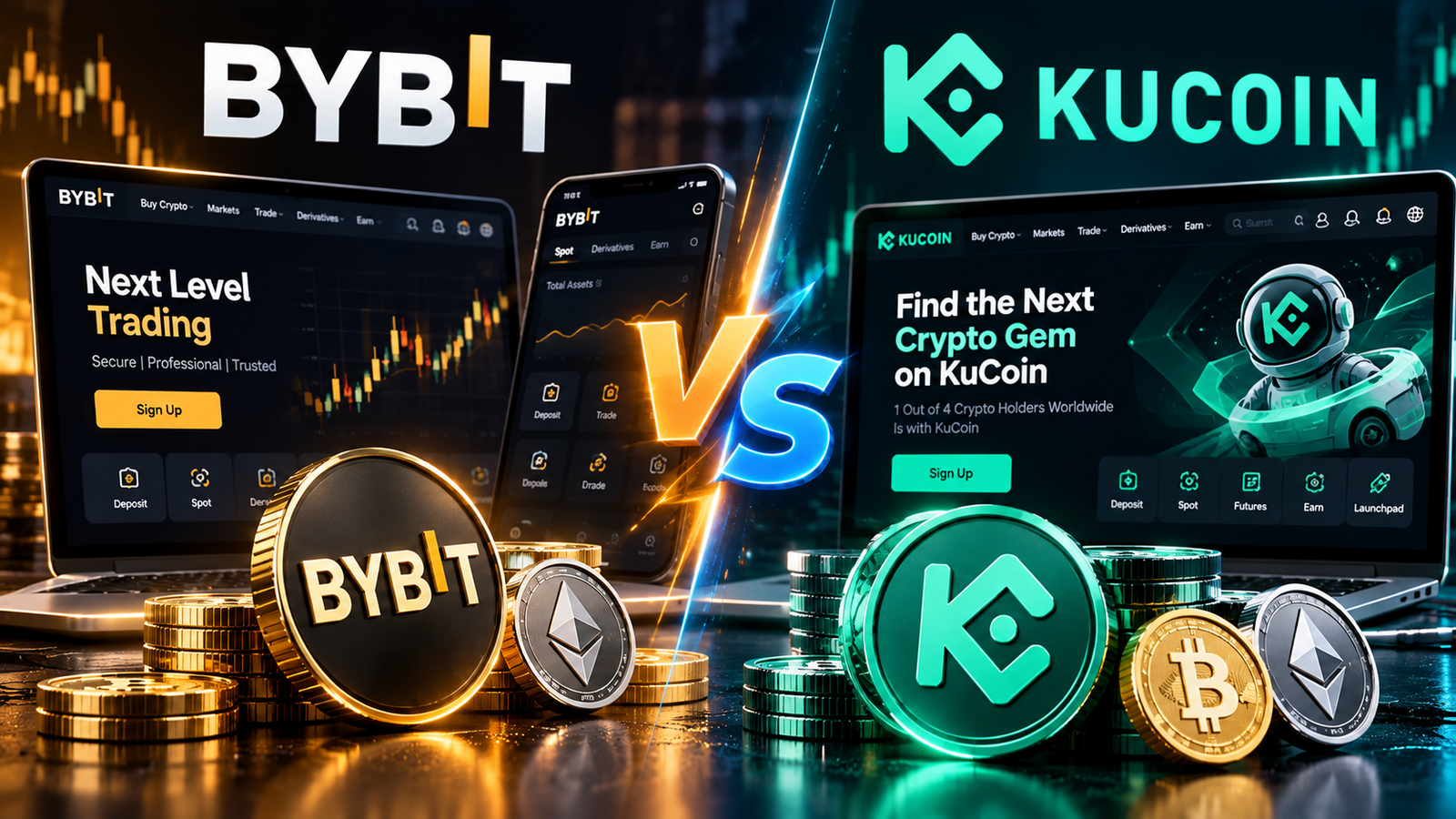
Quick Recommendation: Based on my years of testing platforms, choosing the best crypto exchange for beginners in 2026 depends on your comfort level:
- Priority: Simplicity & UX → Bybit (Their “Easy Mode” is the most intuitive for new users).
- Priority: Education & Depth → Binance (Access the world’s largest liquidity pool and learning hub).
What is Cryptocurrency in 2026? The “Digital Ledger” Simplified

To truly grasp what is cryptocurrency in 2026, think of it as “Internet Cash.” Unlike the money in your bank app, which is controlled by a central authority, crypto runs on Blockchain technology.
In my experience, the true ‘magic’ of crypto lies in its autonomy. Following the principles of the Bitcoin Whitepaper, the system operates as a peer-to-peer network where you are your own bank. It’s like having a giant, glass account book that is impossible to forge or secretly alter. When I send a payment to a friend across the world, I don’t wait for a bank to ‘approve’ it; the network’s global participants verify it instantly and permanently.
In practice: This means you own your money directly. No bank can freeze your account, and no government can “print” more Bitcoin to devalue what you hold.
💡 Pro Tip: Don’t rush into volatile coins. Start by holding a small amount of a Stablecoin like USDT to get comfortable with sending and receiving transactions before taking on price risk.
Crypto vs. Traditional Money: Key Differences
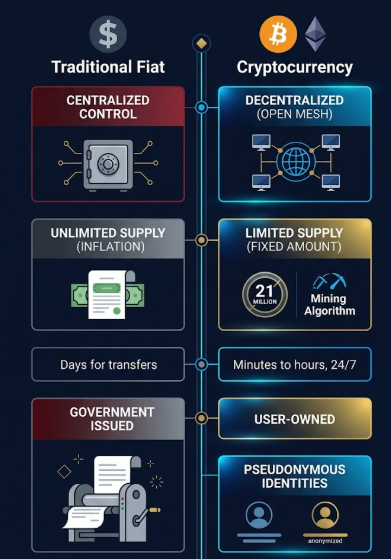
What makes a digital coin different from the numbers you see in your Chase or HSBC app? It comes down to three main things: Decentralization, Scarcity, and Transparency.
| Feature | Traditional Money (Fiat) | Cryptocurrency |
| Control | Central Banks / Governments | Decentralized Network |
| Supply | Unlimited (Printing money) | Usually Limited (Fixed supply) |
| Speed | Can take days for international transfers | Minutes to hours, 24/7 |
| Privacy | Bank knows everything | Pseudonymous (Wallet addresses) |
Think of traditional money like a centralized power grid controlled by one company. If their system goes down, you have no lights. Crypto is like having a solar panel on every single house. Even if one house goes dark, the rest of the neighborhood keeps glowing.
Pro Tip: Always start by holding a small amount of Stablecoins (like USDT) to get used to the interface before moving into more volatile assets like Bitcoin.
The 4 Main Types of Crypto Every Beginner Should Know
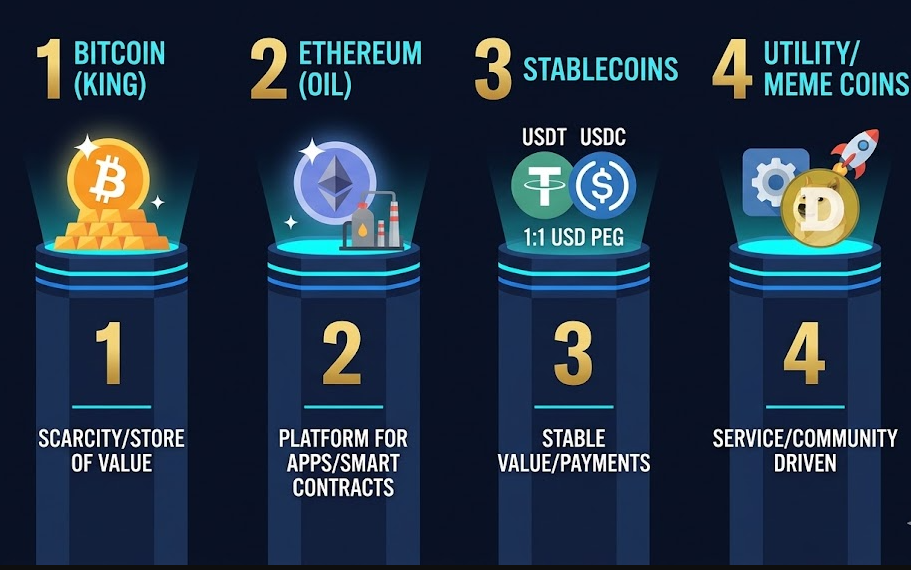
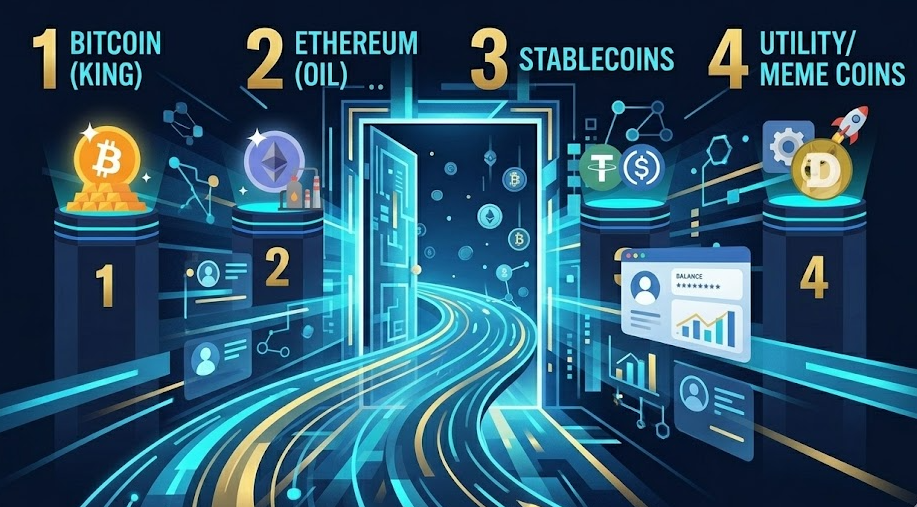
There are now over 20,000 different digital assets. To keep it simple, I categorize them into four groups:
-
Bitcoin (BTC): The original. Limited to 21 million coins, making it “Digital Gold.”
-
Ethereum (ETH) & Altcoins: These are “Digital Oil.” They power decentralized applications (dApps) through smart contracts.
-
Stablecoins (USDT/USDC): These are pegged 1:1 to the US Dollar. Essential for preserving your capital during a market crash.
-
Utility & Meme Coins: High-risk, high-reward assets like DOGE. Fun to trade, but treat them like a speculative bet, not a retirement plan.
Best Crypto Exchanges for Beginners in 2026: The Honest Truth
I’ve used almost every major platform, and while many are great, they all have flaws you need to know about.
1. Bybit (Best for User Experience)
-
The Pros: Excellent “Lite” interface and a robust Copy Trading system.
-
The Cons: Mandatory KYC is strict, and withdrawal fees for certain Altcoins can be higher than competitors.
2. Binance (Best for Education)
-
The Pros: Massive liquidity and the industry-leading Binance Academy
-
The Cons: The “Pro” interface is a nightmare for beginners. If you don’t toggle on “Lite Mode” immediately, it’s easy to feel overwhelmed.
⚠️ WARNING ON LEVERAGE: Both Bybit and Binance offer “Futures” and “Leverage” (borrowing to trade). Beginners should avoid this. I’ve seen many new traders lose their entire life savings in minutes by using 20x leverage. Stick to “Spot Trading” (buying the actual asset) first.
Real Risks: What Nobody Tells You
Understanding what is cryptocurrency in 2026 means accepting its brutal side:
-
Volatility: Seeing your portfolio drop 30% in a single hour is a rite of passage.
-
Self-Custody: There is no “Forgot Password” link for a private wallet. If you lose your keys, your money is gone—forever.
-
Customer Support: In the crypto world, support can be slow. You are your own bank.
Why Do People Actually Use Crypto?
What most beginners don’t realize is that crypto isn’t just about “getting rich quick.” Real-world adoption in 2026 is driven by practical needs:
-
Global Transfers: Sending money internationally is often faster and cheaper using crypto than using a bank wire.
-
Inflation Protection: In countries where local currency is losing value, holding Bitcoin or Stablecoins is a way to survive.
-
Financial Inclusion: Crypto gives a “bank in their pocket” to billions of people with smartphones but no bank accounts.
-
Ownership: Crypto allows for true digital ownership of assets.
⚠️ RISK WARNING: Crypto is the “Wild West” of finance. You can lose 50% of your value overnight. To learn how to protect your assets, see our guide on How to Secure Your Crypto Wallet (2026). Never invest money you cannot afford to lose.
How to Get Started Safely
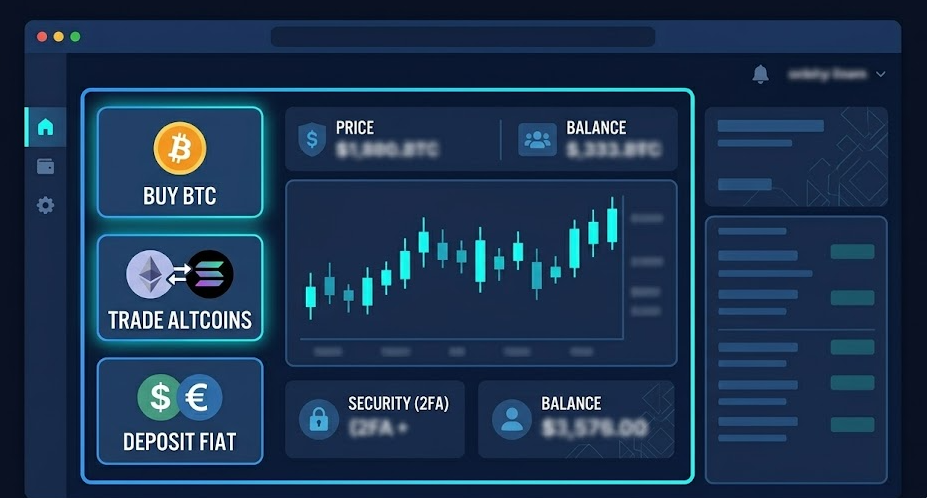
Ready to take the plunge? Don’t dive into the deep end yet. Follow these steps:
-
Step 1: Educate First. Never buy something you don’t understand.
-
Step 2: Choose a Reputable Exchange. Use established platforms like Bybit or Binance.
-
Step 3: Start Small. Begin with as little as $10 to get a feel for how the apps work.
Frequently Asked Questions (FAQ)
-
Is crypto and Bitcoin the same thing? No. Bitcoin was the first crypto, but thousands of others (Altcoins) now exist with different purposes.
-
Is cryptocurrency taxed? Yes. In most countries, you must pay capital gains tax on your profits. Check your local laws or use a tool like Koinly.
-
Which coin is safest for a beginner? Bitcoin (BTC) and Ethereum (ETH) are generally considered the “Blue Chips” of crypto.
-
Do I need a separate wallet? For small amounts, keeping it on a top exchange like Bybit is fine.
Final Thoughts
Understanding what is cryptocurrency in 2026 is more than just learning about a new investment; it’s about seeing the future of how value moves across the globe. It remains a high-risk, high-reward frontier. Start slow, stay curious, and never stop learning.
-
Join the conversation: Have questions? Hop into our Telegram Community to chat with other beginners.
-
Next Step: Ready to buy your first $10 of Bitcoin? Check out our guide on the Best Crypto Exchanges 2026.
Disclaimer: This article is for educational purposes only and does not constitute financial advice. Crypto investments carry significant risk. Always do your own research before making any financial decisions.