

Walking into the crypto world in 2026 feels a bit like entering a high-tech casino where half the machines are written in a language you don’t speak. You’ve likely heard the name Bybit whispered in Telegram groups or seen it splashed across Formula 1 cars. But for someone just trying to buy their first fraction of Bitcoin or Ethereum, the platform can look… intimidating. Is it just for “pro” traders with six monitors, or can a regular person actually navigate it without accidentally longing a random altcoin with 100x leverage?
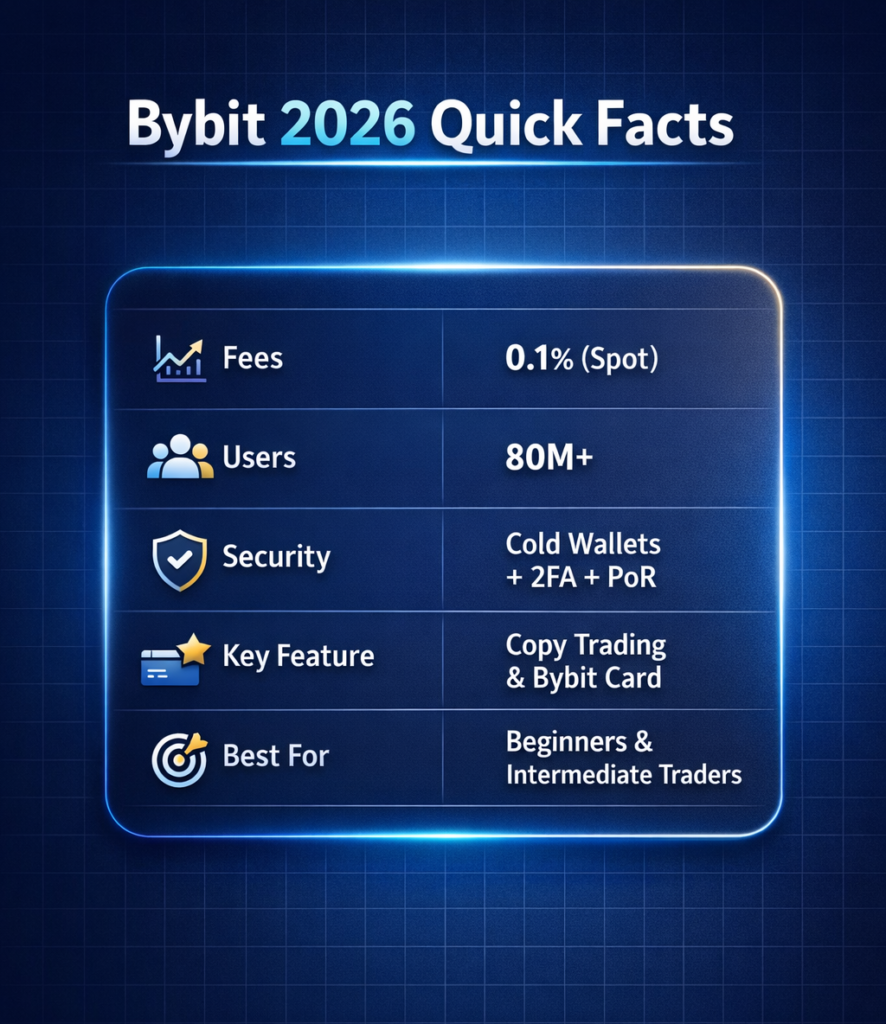
Here’s the thing: Bybit has evolved significantly since its founding in 2018. Back then, it was a niche leverage platform. Today, it serves over 80 million users as of 2026 globally. But growth doesn’t always equal safety. In this Bybit review 2026, I’m going to strip away the marketing fluff. We’ll look at the actual fee schedules, the security protocols that keep your coins from vanishing, and my personal experience using their beginner-friendly tools. By the end of this guide, you’ll know exactly if Bybit deserves your trust or if you should keep looking.
What is Bybit? A 2026 Perspective
Founded in March 2018, Bybit has transformed from a derivative-heavy exchange into a “one-stop shop” for everything crypto. While it originally gained fame for its high-speed matching engine (handling up to 100,000 transactions per second), it has spent the last few years aggressively courting the “retail” crowd—people like you and me who just want a reliable place to trade.
As of 2026, Bybit boasts a user base of over 80 million. That’s a massive jump from the early days. Why does this matter to you? Liquidity. In practice, high liquidity means when you want to sell your Bitcoin, there’s a buyer ready instantly at a fair price. You aren’t getting “slipped” by bad prices that often plague smaller, ghost-town exchanges.
What most beginners don’t realize is that Bybit has moved heavily into the Web3 space. They’ve integrated a built-in wallet and an NFT marketplace, but their bread and butter remains the spot and derivatives exchange. If you’re looking for a platform that grows with you—from your first $100 purchase to more complex strategies—Bybit is designed for that trajectory.
Security Analysis: Is Your Money Actually Safe?
Let’s talk about the elephant in the room: security. In the post-FTX era, we’ve all become a bit skeptical, and rightfully so. I’ve seen enough “hacks” and “liquidities issues” to last a lifetime. So, how does Bybit hold up under the microscope in 2026?
First, they utilize a deterministic cold wallet system. In plain English: most of the platform’s funds are kept offline, away from the reach of hackers. Only a small fraction is kept in “hot wallets” to facilitate daily withdrawals.
Here are the specific data points on Bybit’s current security stack:
-
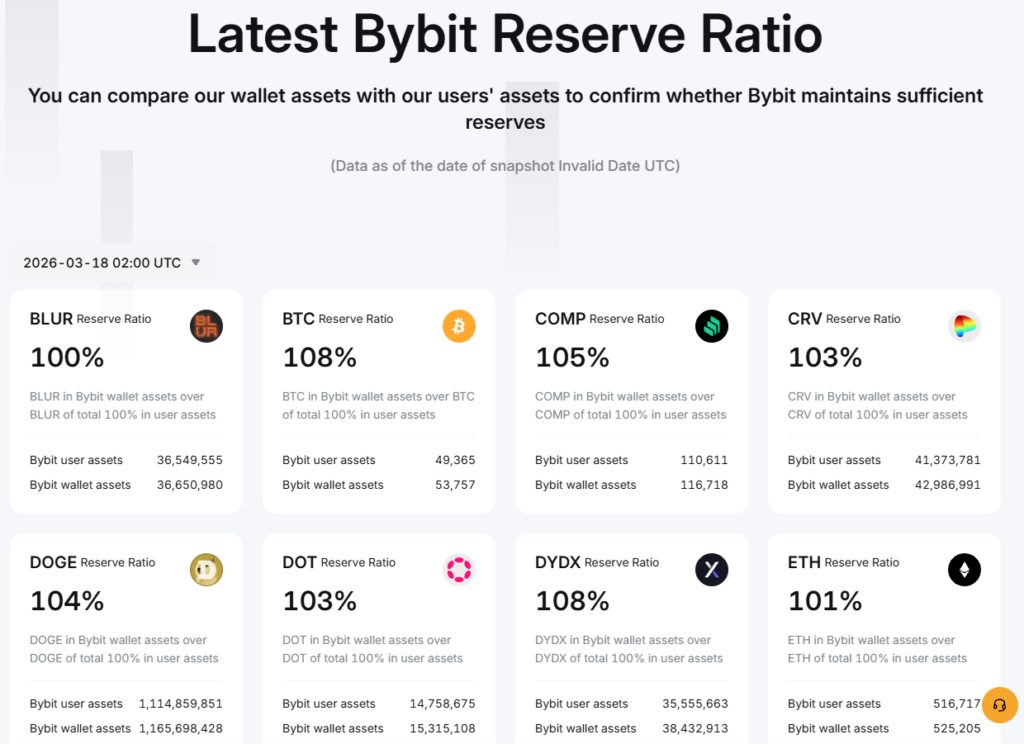
Proof of Reserves (PoR): Bybit publishes its Merkle Tree PoR monthly. This allows you to verify that they actually hold the assets you see in your balance. Their current reserve ratio consistently stays above 100% for BTC, ETH, and USDT.
-
Two-Factor Authentication (2FA): They don’t just “offer” it; they practically force it. You’ll need Google Authenticator or a hardware key for withdrawals.
-
Liquidation Fund: For those venturing into derivatives, Bybit maintains a massive insurance fund to prevent “socialized losses” during extreme market volatility.
In my experience, the “Security Level” dashboard in the app is one of the best features for beginners. It gives you a literal score out of 100 and tells you exactly what to toggle to make your account a fortress. Is it unhackable? No such thing exists in tech. But is it industry-leading? Absolutely.
Understanding the Fees (No Hidden Surprises)
Fees are where exchanges usually hide the “gotchas.” You think you’re making a profit, then you realize 20% of it vanished in trading costs. Bybit’s fee structure is surprisingly transparent and competitive for 2026.
For the average beginner using the Spot Market (buying coins to hold), the fees are straightforward:
-
Maker Fee: 0.1%
-
Taker Fee: 0.1%
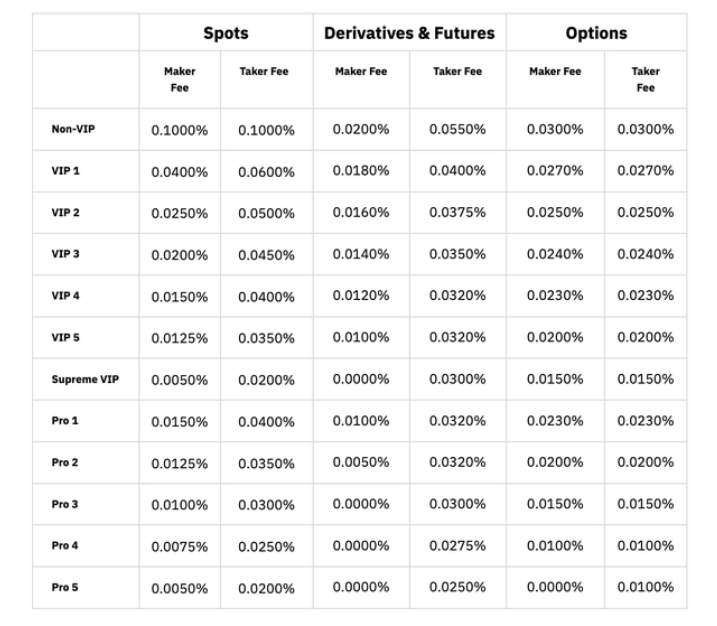
What’s the difference? If you place a “Limit Order” (I want to buy BTC at $60k) and wait for the price to hit it, you’re a Maker. If you hit the “Market” button and want it now, you’re a Taker. At 0.1%, if you trade $1,000 worth of crypto, you pay $1. It’s significantly cheaper than the “Instant Buy” features on platforms like Coinbase, which can sometimes gouge you with 1.5% to 3% spreads.
Pro Tip: If you hold Bybit’s native utility tokens or reach certain VIP levels based on trading volume, these fees can drop even lower. However, for 99% of readers, the 0.1% flat rate is what you’ll live with.
Ready to start? If you’re looking to jump in, you can sign up for Bybit here and get access to the latest welcome rewards for new users.
Pros and Cons for Beginners
No exchange is perfect. If a review tells you there are zero downsides, they’re selling you something. Here is the unfiltered truth about the Bybit experience in 2026.
The Pros
-
UI/UX: The mobile app is snappy. I’ve tested dozens of exchanges, and Bybit’s “Trade” tab is one of the most intuitive.
-
Copy Trading: This is a huge win for beginners. You can essentially “follow” experienced traders and have the system mirror their trades automatically. Important: Copy trading is not passive income. I’ve seen beginners blow 30% of their portfolio copying a trader who had one lucky month. Always check their 6-month track record, not just recent wins.
-
Customer Support: They offer 24/7 live chat. In my tests, I usually get a human response within 3-5 minutes, which is a lifesaver when you’re panicked about a deposit.
-
Bybit Card: Their Mastercard integration allows you to spend your crypto directly at grocery stores or for coffee, bridging the gap between “digital gold” and real-world utility.
The Cons
-
Feature Overload: For a total newbie, the “Derivatives” and “Options” tabs look like a cockpit of a Boeing 747. It’s easy to get overwhelmed. My honest advice? Pretend those tabs don’t
exist for your first 3 months. Stick to Spot. -
Regional Restrictions: Depending on where you live (notably the US), you might find yourself blocked from using the platform due to local regulations. Always check the “Restricted Countries” list before trying to KYC.
-
Learning Curve: While the Spot market is easy, their “Unified Trading Account” (UTA) system has a bit of a learning curve for those moving into advanced trading.
How to Sign Up: A Step-by-Step Guide
If you’ve decided Bybit is the right fit, getting started takes about 10 minutes. Don’t rush the security steps—future you will thank you.
-
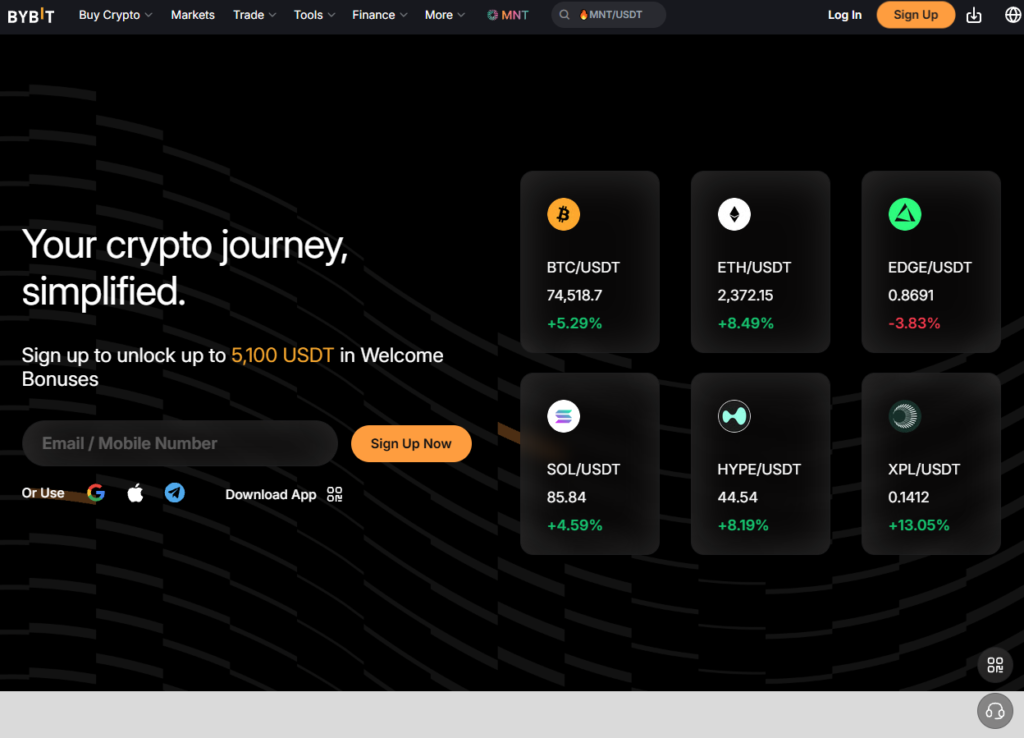
Visit the Official Site: Go to the Bybit Homepage or download the app.
-
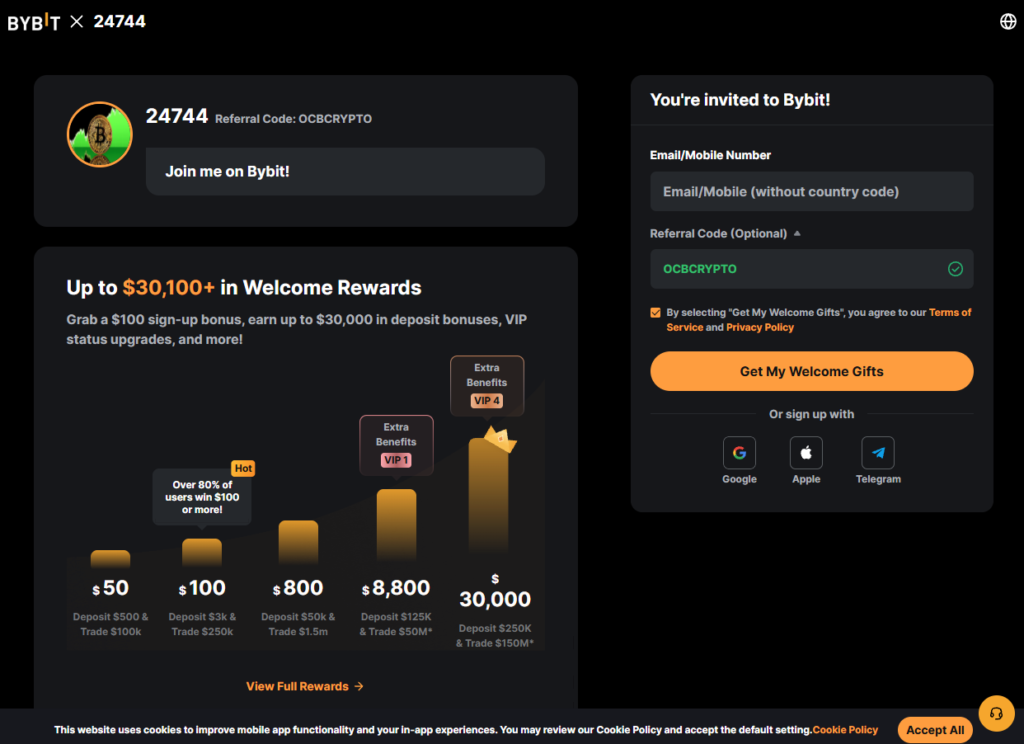
Register: Enter your email or mobile number and create a strong, unique password. Do not use the same password you use for your Netflix account.
-
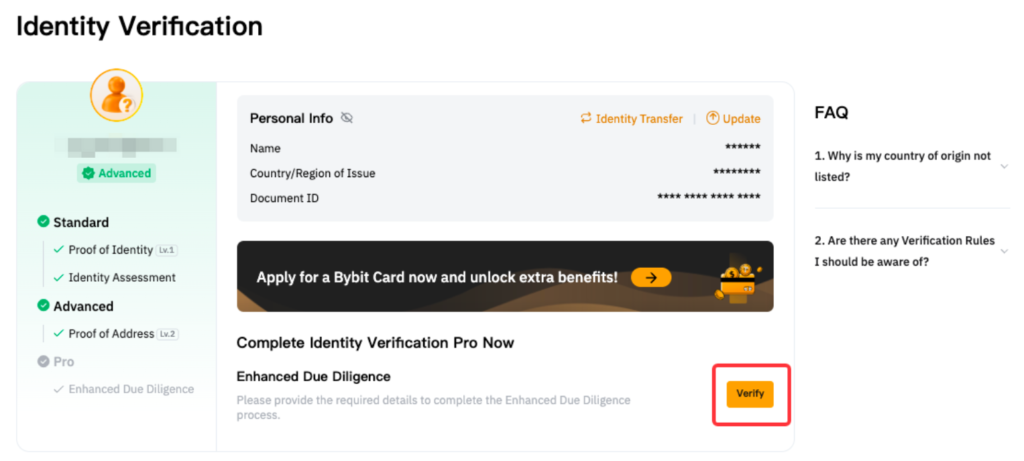
Complete KYC (Level 1): In 2026, you cannot skip this. You’ll need to take a photo of your ID (Passport or Driver’s License) and a quick selfie. The AI-verification usually takes less than 5 minutes.
-
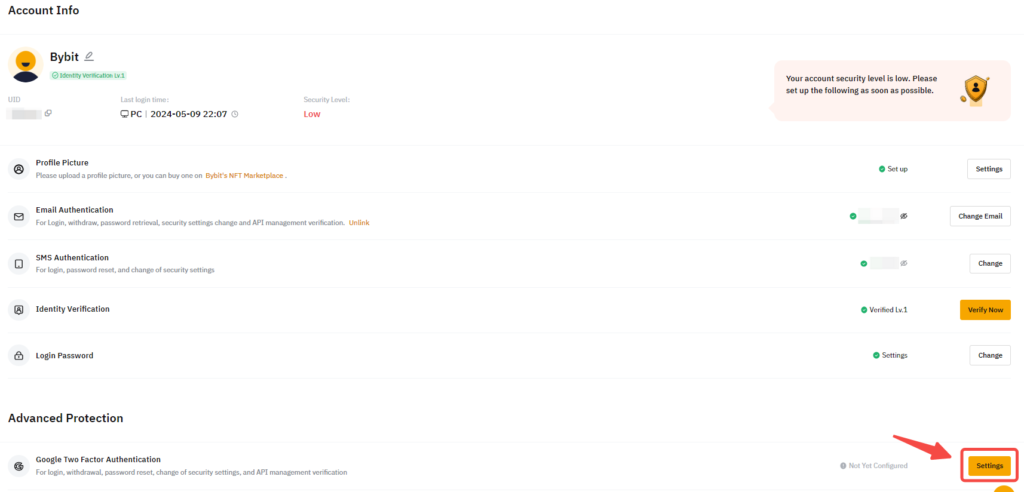
Set Up 2FA: Before you deposit even one cent, go to “Security” and enable Google Authenticator. This is your primary defense against account takeovers.
-
Deposit Funds: You can buy crypto directly using a credit card/bank transfer via their “One-Click Buy” or transfer crypto from another wallet.
Risk Disclaimer: Crypto investments carry significant risk. Markets are volatile, and you should never invest money you cannot afford to lose.
Frequently Asked Questions
Is Bybit regulated?
Bybit is headquartered in Dubai and operates under the Virtual Assets Regulatory Authority (VARA) guidelines. While they aren’t regulated in every single country, they comply with strict AML (Anti-Money Laundering) and KYC (Know Your Customer) standards globally to ensure a safe trading environment.
Can I lose more than I deposit on Bybit?
If you stick to Spot Trading (buying the actual coins), no. The worst that can happen is the coin’s value goes to zero. However, if you use Leverage in the derivatives market, you can lose your entire “margin” (the amount you put up for that trade). Bybit uses an “Isolated Margin” mode to ensure a single bad trade doesn’t drain your entire account.
How do I withdraw money to my bank account?
Bybit offers “Fiat Withdrawal” for several major currencies. You can link your bank account via SEPA, FPS, or use their P2P (Peer-to-Peer) marketplace to sell your crypto for local currency. The “Bybit Card” is also an increasingly popular way to “withdraw” by simply spending your balance.
Is Bybit better than Binance in 2026?
“Better” is subjective. Binance is the giant, but Bybit has carved out a reputation for having a more stable engine during high-volatility events (when other exchanges often crash). Bybit’s UI also feels slightly less cluttered than the current Binance interface.
Final Thoughts
If I were starting my crypto journey today with $500 and zero experience, Bybit would be on my shortlist — but not because of the bonuses or the F1 sponsorship. It’s because the Proof of Reserves checks out and the Spot interface doesn’t try to trick me into leverage I don’t need.
Bybit has successfully shed its image as a “degenerate-only” platform to become a robust, secure, and user-friendly exchange for the 2026 market. With 0.1% fees, 100%+ Proof of Reserves, and a dedicated focus on beginner tools like Copy Trading, it’s a top-tier choice for anyone starting their crypto journey. Just remember to start slow, enable your 2FA, and avoid the temptation of high leverage until you truly know what you’re doing.
-
Join the Conversation: Have questions about your setup? Join our OCBCrypto Telegram Hub to chat with other traders.
-
Read More: Not sure about Bybit? Check out our Binance Review 2026 to see how it compares.
Disclaimer: This article is for educational purposes only and does not constitute financial advice. Crypto investments carry significant risk. Always do your own research before making any financial decisions.



2 thoughts on “Bybit Review 2026: Is This Exchange Safe for Beginners?”