

Real-World Asset (RWA) tokenization—the process of creating blockchain-based tokens that represent ownership claims on tangible assets like real estate, government bonds, and private credit—is the most significant institutional catalyst for crypto liquidity entering 2026. This isn’t just a technical upgrade; it’s a structural merger of the multi-trillion-dollar traditional finance (TradFi) world with the crypto ecosystem.
How Real-World Asset Tokenization Will Boost Crypto Liquidity in 2026: The $2 Trillion On-Ramp
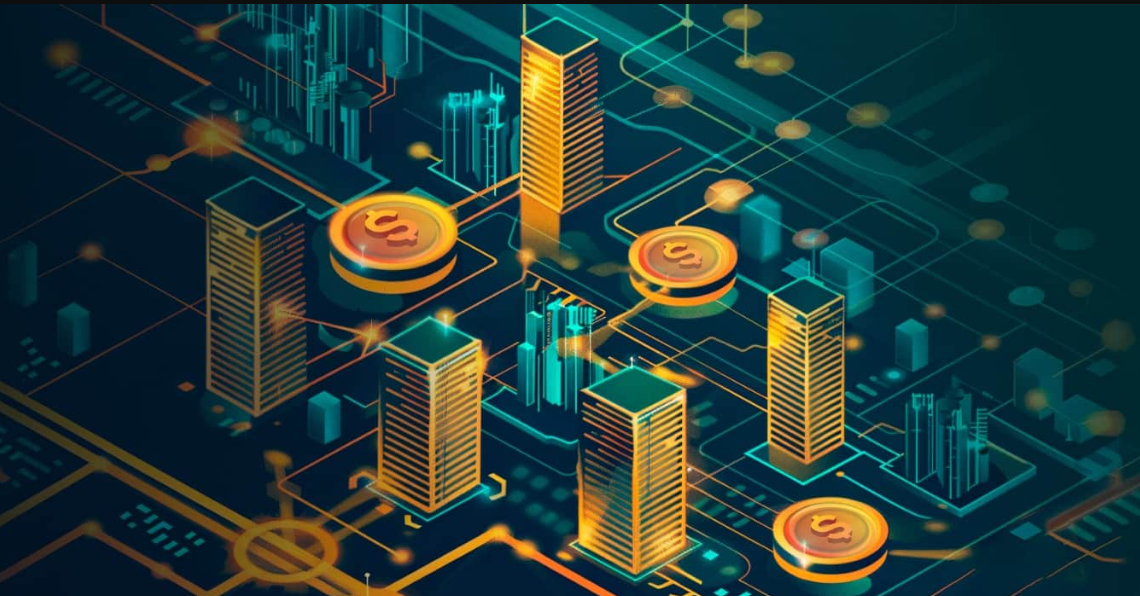
Here’s a breakdown of the three primary mechanisms by which RWA tokenization is set to inject massive, stable liquidity into crypto markets.
1. Fractionalization and the Democratization of Illiquid Capital
The fundamental problem with assets like commercial real estate or a pool of private credit is their high entry barrier and difficulty in selling quickly (illiquidity). Tokenization is the solution that immediately unlocks this “dead capital.”
- Fractional Ownership: By dividing a high-value asset (e.g., a $10 million office building) into millions of tokens, investors can participate with minimal capital. This dramatically expands the potential investor pool from a handful of institutional buyers to a global audience of both accredited and retail investors.
- The Liquidity Boost: Every new investor who can now buy a $500 token, rather than a $10 million property share, adds a marginal but collective boost to trading volume. The simple act of lowering the entry cost makes the asset tradable 24/7, transforming it from a static holding into a dynamic market.
- The Scale of the Flood: Industry projections estimate the RWA market, excluding stablecoins, could surge from a few billion to $2 trillion by 2028. The process of bringing just a fraction of global real estate and debt onto the blockchain will create a seismic shift in on-chain capital flows.
2. Creating a Stable Yield Anchor in Decentralized Finance (DeFi)
For years, the Achilles’ heel of Decentralized Finance has been its reliance on highly volatile crypto collateral (like ETH and BTC) for lending and borrowing. RWA tokenization introduces stable, yield-bearing assets, which fundamentally de-risks and stabilizes the entire ecosystem.
- Tokenized Treasuries and Bonds: The tokenization of U.S. Treasury Bills and corporate bonds (like the funds launched by BlackRock and Franklin Templeton) provides crypto users with on-chain, low-volatility, regulated yield (typically 5-8% APY).
- The Liquidity Boost: Crypto capital that was previously held in non-yielding stablecoins is now moving into these tokenized RWA products. This flow does two things:
- It increases the stability of DeFi protocols by providing reliable, high-quality collateral for lending.
- It locks in capital that might otherwise exit the crypto space during volatile periods, acting as a “safe harbor” within the blockchain ecosystem itself. This sticky capital is the foundation of deep, resilient liquidity.
- The Liquidity Boost: Crypto capital that was previously held in non-yielding stablecoins is now moving into these tokenized RWA products. This flow does two things:
- DeFi’s Evolution: By 2026, many decentralized exchanges (DEXs) and lending protocols will be built specifically to handle these compliant RWA tokens, transforming DeFi from an experimental sandbox into a sophisticated, hybrid financial system.
3. The Institutional Compliance-First Approach
The true institutional liquidity flood depends less on technology and more on regulatory alignment. By 2026, the global legal landscape will be mature enough to greenlight large-scale adoption.
- Compliance by Design: Major jurisdictions (like the EU with its MiCA framework) are creating clear rules for tokenized assets. Platforms like Securitize and Tokeny are building “permissioned tokens” (like the ERC-3643 standard) that embed KYC/AML compliance directly into the smart contract code.
- The Liquidity Boost: This regulatory clarity is the on-switch for major banks, asset managers, and financial institutions. They can now participate without fearing non-compliance. When they move, they don’t move with millions, but with billions. Their entrance ensures not just more capital, but institutional-grade liquidity—deep markets with tight bid-ask spreads necessary for large-scale trading.
- The Nasdaq Effect: When a major traditional exchange, like Nasdaq, is filing to tokenized listed stocks, it signals that the highest level of TradFi is preparing the infrastructure. This top-down validation gives institutional investors the final confidence boost needed to allocate capital to RWA projects.
Tokenization: The Illiquid Assets’ Liquidity Injection
The most significant shift in the crypto and Decentralized Finance (DeFi) space right now is the mass tokenization of Real World Assets (RWAs). This process turns ownership rights of typically illiquid assets—like real estate, private credit, and private equity—into tradable, fractionalized tokens on a blockchain.
Here is how this trend, projected to grow significantly into 2026 and beyond, is directly boosting crypto liquidity:
- 1. Fractional Ownership: Traditionally, you needed millions to invest in a private credit fund or a commercial building. Tokenization, particularly in real estate, splits these assets into hundreds or thousands of digital tokens.
- Impact on Liquidity: This drastically lowers the barrier to entry for a global pool of retail and institutional investors. More potential buyers mean the asset is more easily traded, instantly creating secondary market liquidity where none existed before. It’s like turning a single, massive diamond into a thousand small, easily-sold gemstones.
- 2. Bridging Traditional Finance to DeFi: Tokenized RWAs are being integrated into DeFi protocols.
- Impact on Liquidity: The stable, real-world cash flows from assets like rental properties or private debt can be used as high-quality collateral for lending and borrowing in the DeFi ecosystem. This introduces a robust, non-volatile source of value to crypto markets, making DeFi lending protocols more secure and attracting more capital, thereby deepening the overall crypto market liquidity.
- 3. 24/7 Global Trading & Reduced Friction: Traditional asset trading is slow, often taking days to settle, and limited by geographical and time-zone restrictions.
- Impact on Liquidity: Blockchain enables 24/7, near-instant settlement. This elimination of intermediaries and manual processes dramatically reduces transaction costs and time, making it easier for investors to enter and exit positions—a core driver of liquidity.
Key Example for 2026: Private Credit
The global private credit market, valued at around $\$1.7$ trillion and projected to grow, is a prime candidate. Tokenization can mitigate its main challenge: illiquidity and opacity. By tokenizing loans, lenders can “fractionalize” them, broadening the investor base and allowing these debt instruments to be traded like bonds on a chain. This is a massive injection of new, regulated volume into the crypto trading landscape.
In short, tokenizing illiquid assets is like pouring a steady, reliable stream of traditional capital into the often-volatile crypto pool. It increases total value, reduces risk, and makes everything easier to trade.
Conclusion
Real-World Asset tokenization is simply putting a digital leash on the financial elephant so it can finally walk into the crypto room. Before 2026, crypto had plenty of energy but lacked collateral depth; TradFi had all the collateral but couldn’t move.
RWA tokenization changes the dynamic: It provides crypto with the stable, multi-trillion-dollar liquidity it desperately needs, and it gives TradFi a 24/7 global trading engine.
The boost to crypto liquidity in 2026 won’t just be a wave; it will be a tidal force, and the asset classes leading the charge will be the least exciting ones: government bonds and real estate. Because in finance, sometimes the most boring assets make for the most revolutionary technology.
Ready to start your cryptocurrency journey?
If you’re interested in exploring the world of crypto trading, here are some trusted platforms where you can create an account:
🔹 Binance – A global leader in cryptocurrency trading.
🔹 Bybit – A user-friendly platform for both beginners and advanced traders.
These platforms offer innovative features and a secure environment for trading and learning about cryptocurrencies. Join today and start exploring the opportunities in this exciting space!
🚀 Want to stay updated with the latest insights and discussions on cryptocurrency?
Join our crypto community for news, discussions, and market updates: OCBCryptoHub on Telegram.
📩 For collaborations and inquiries: datnk710@gmail.com
Disclaimer: Always do your own research (DYOR) and ensure you understand the risks before making any financial decisions.

One thought on “How Real-World Asset Tokenization Will Boost Crypto Liquidity in 2026”